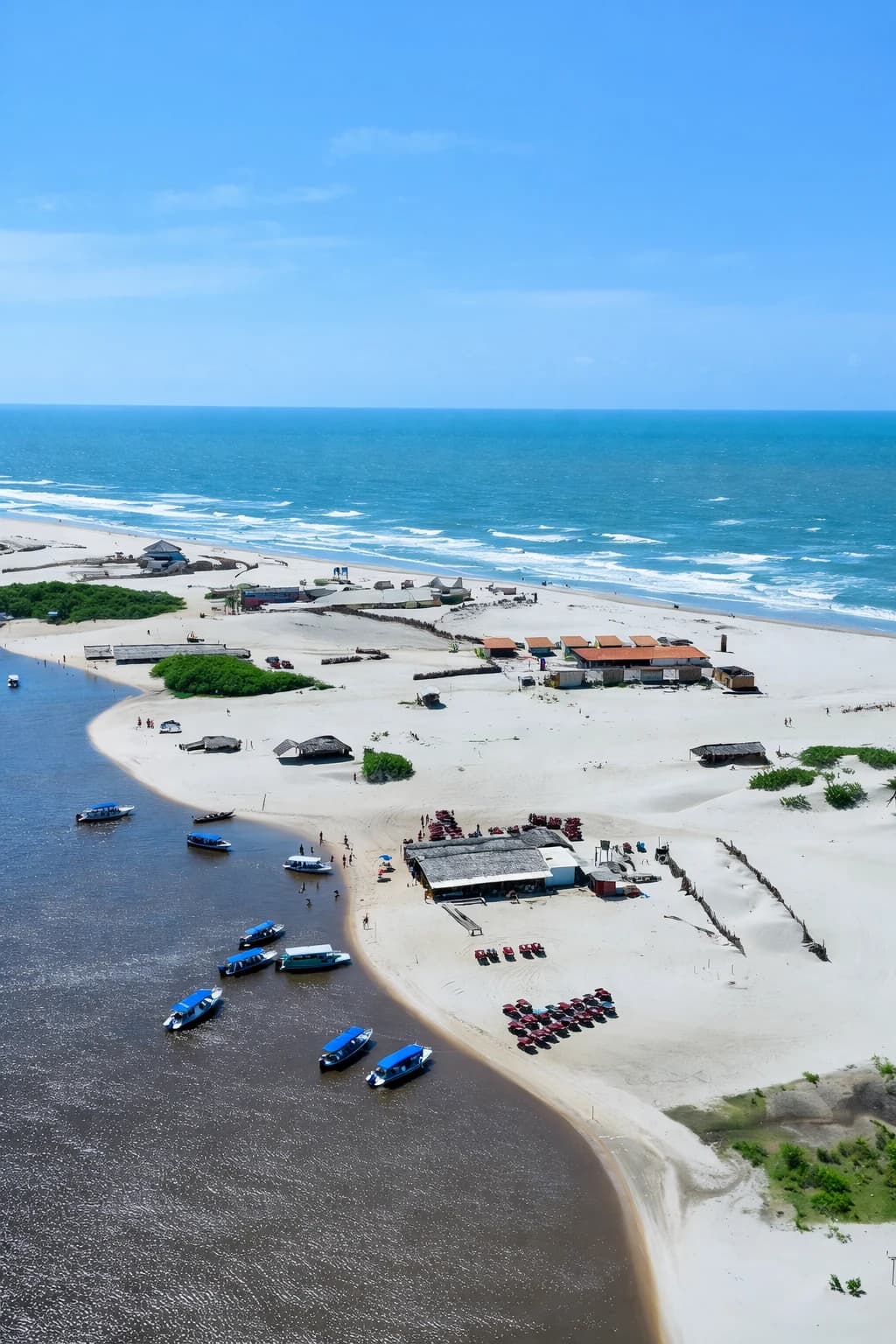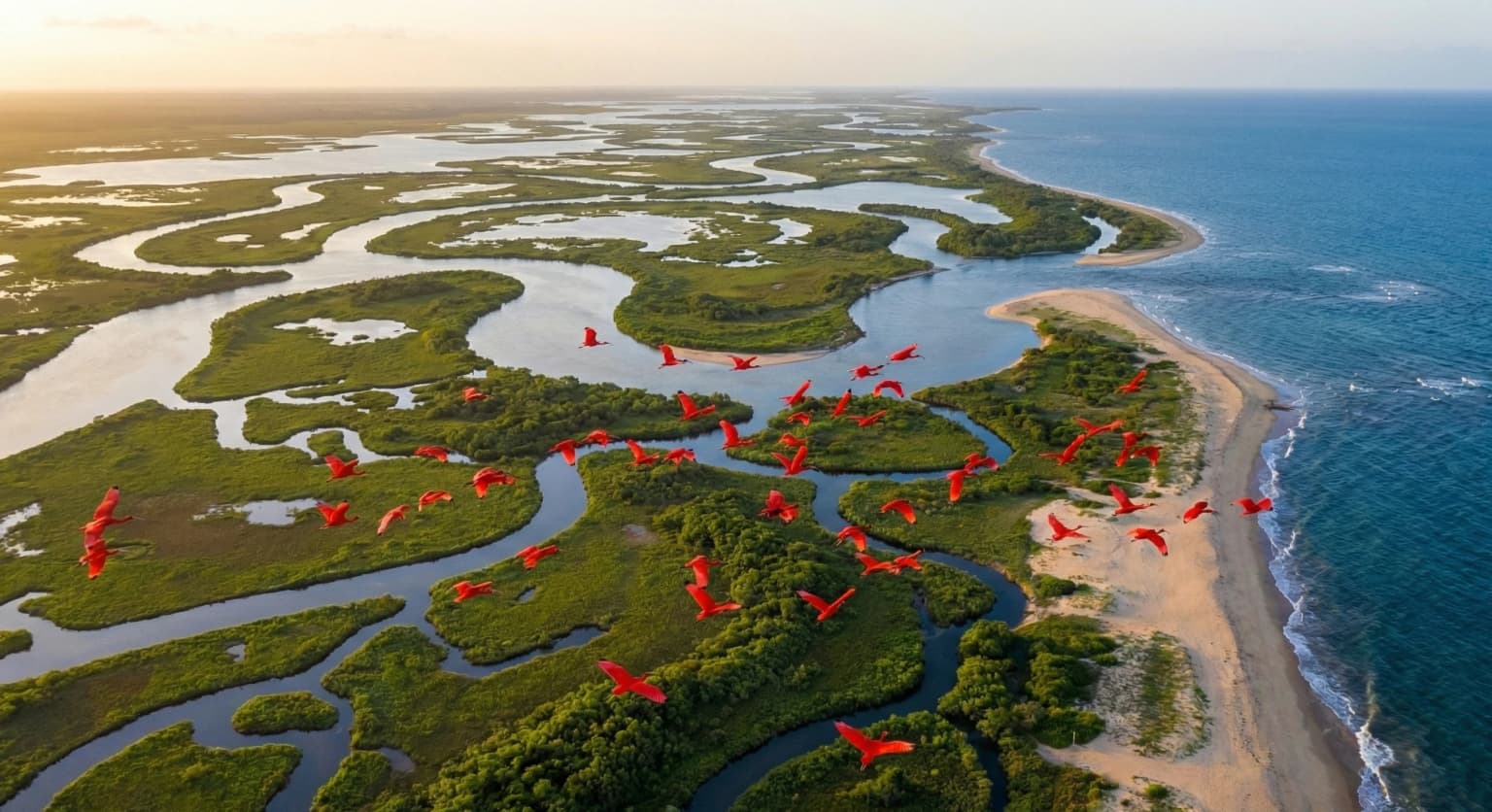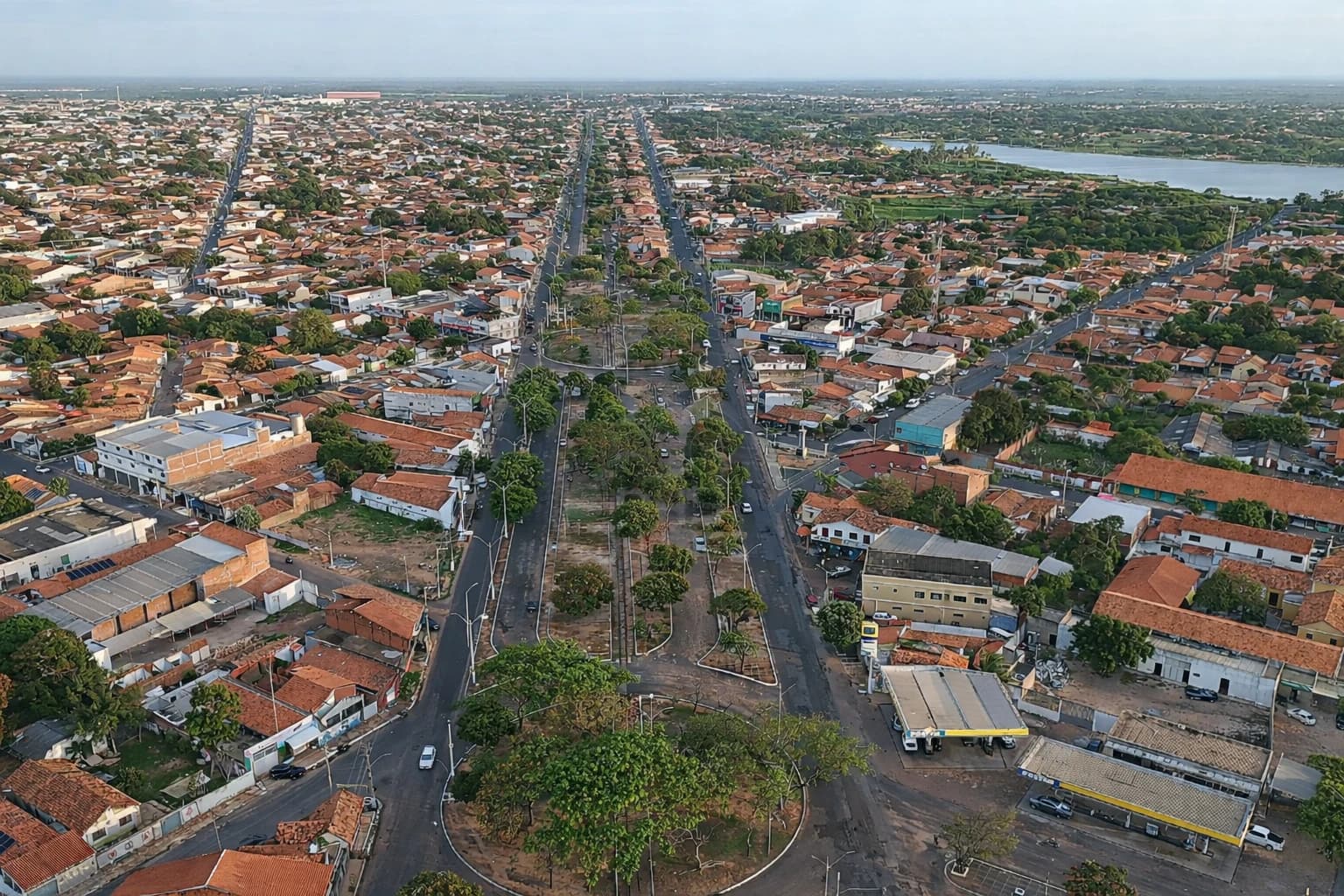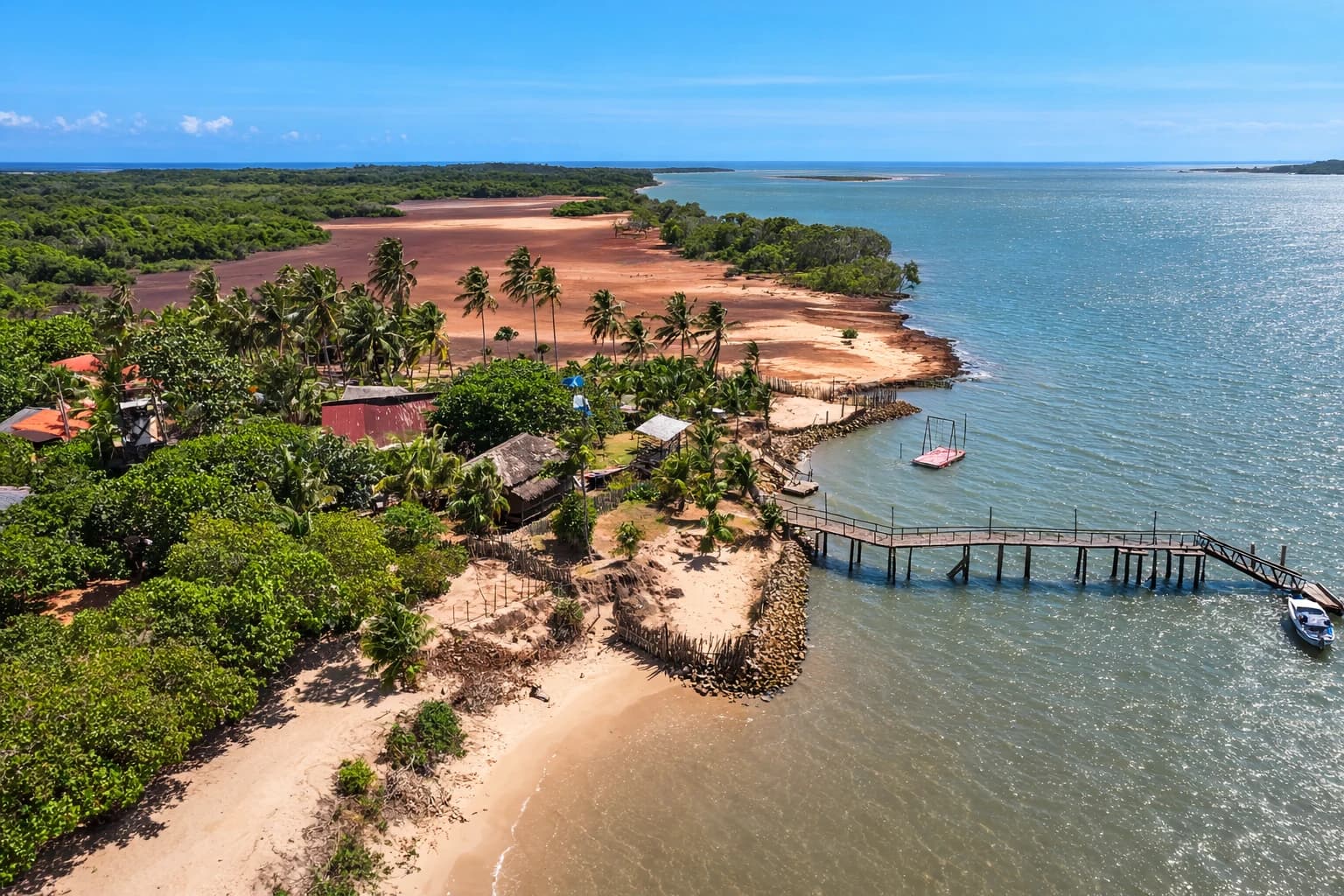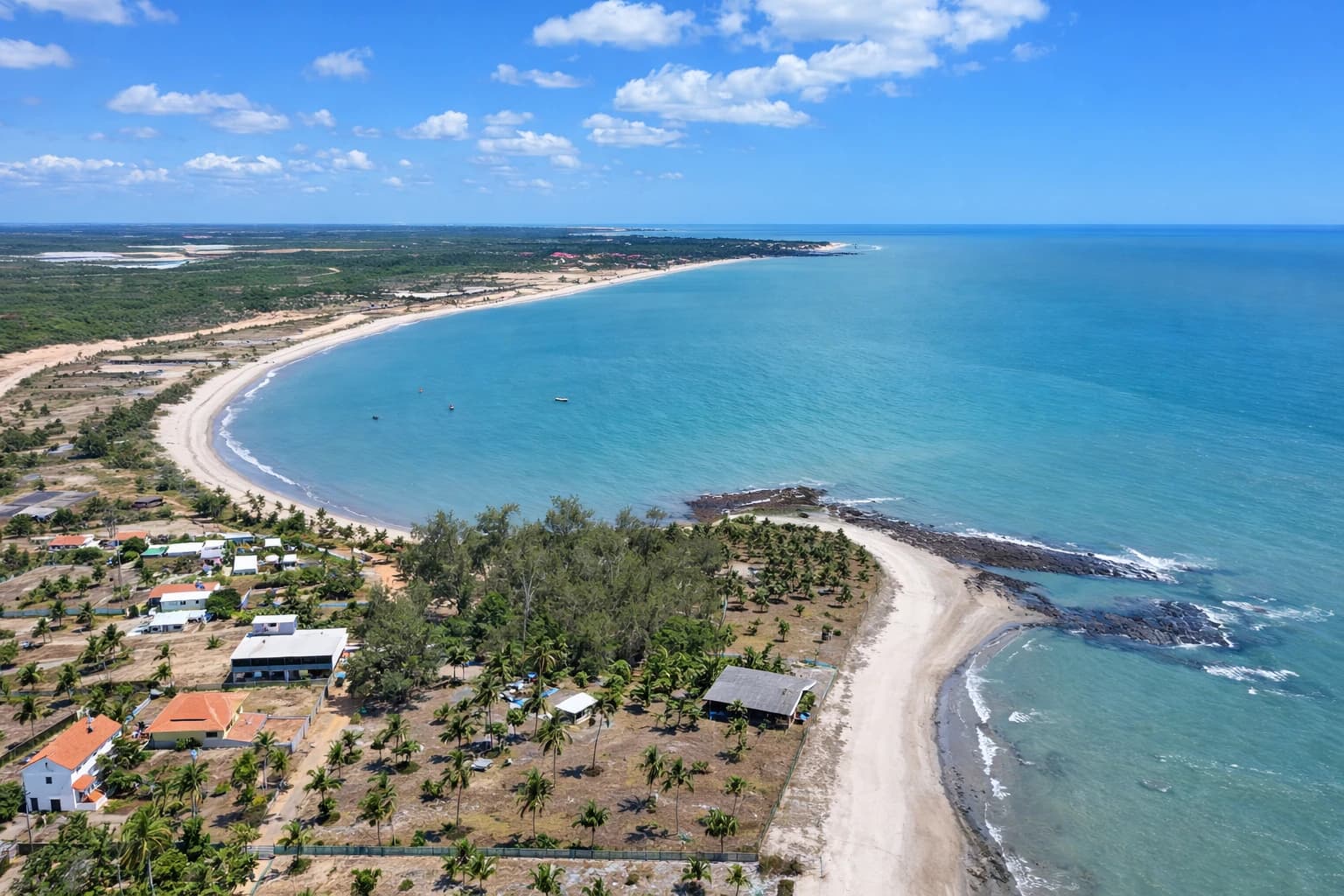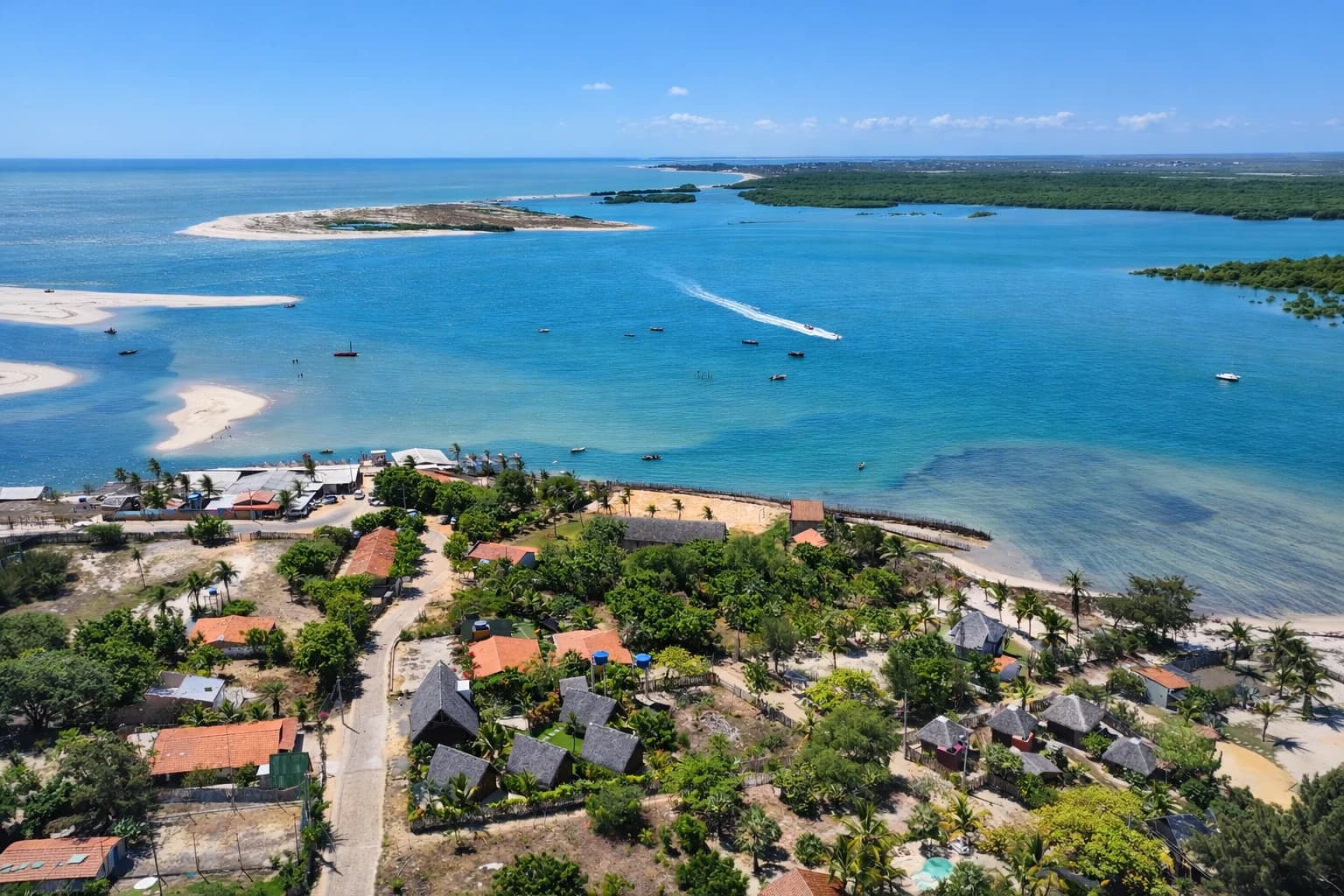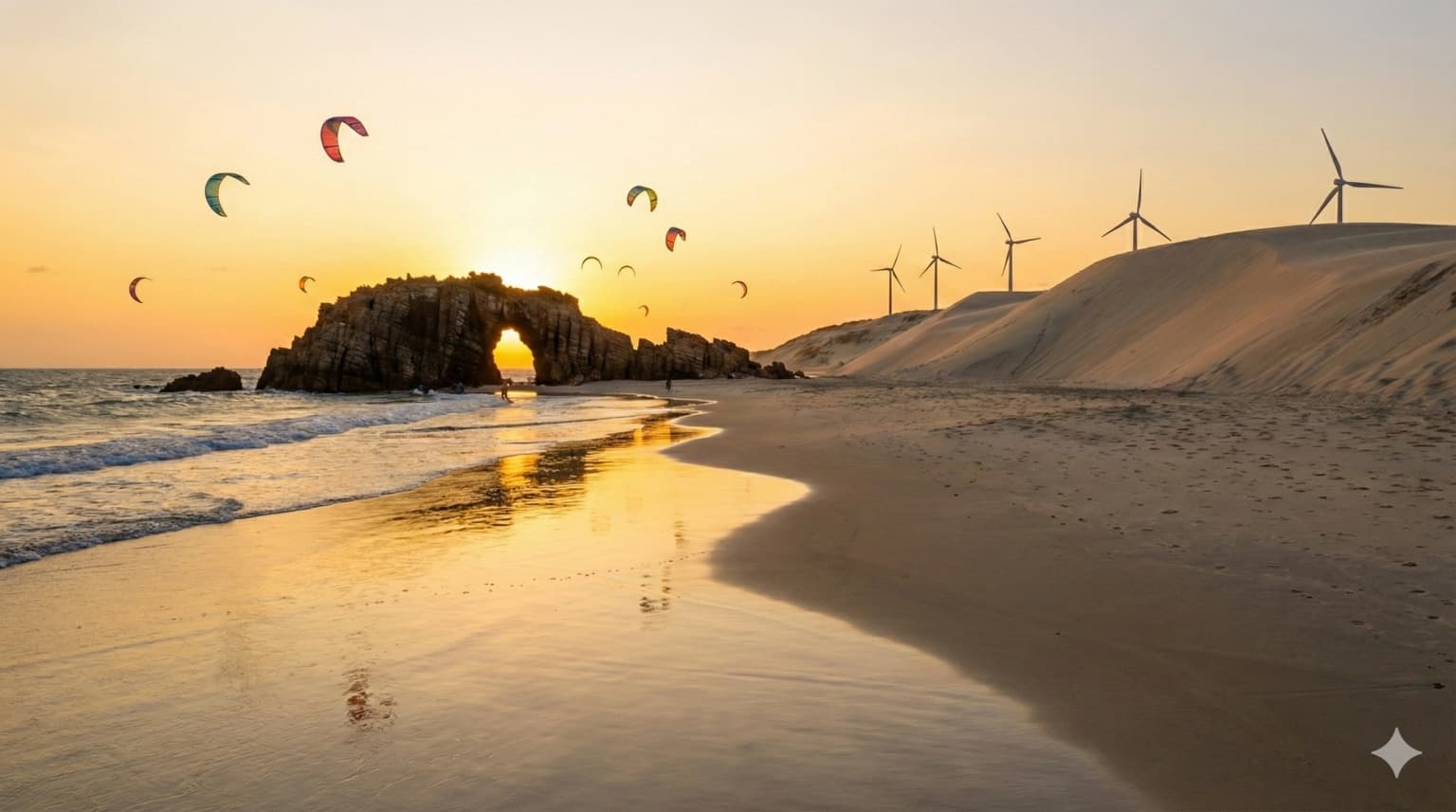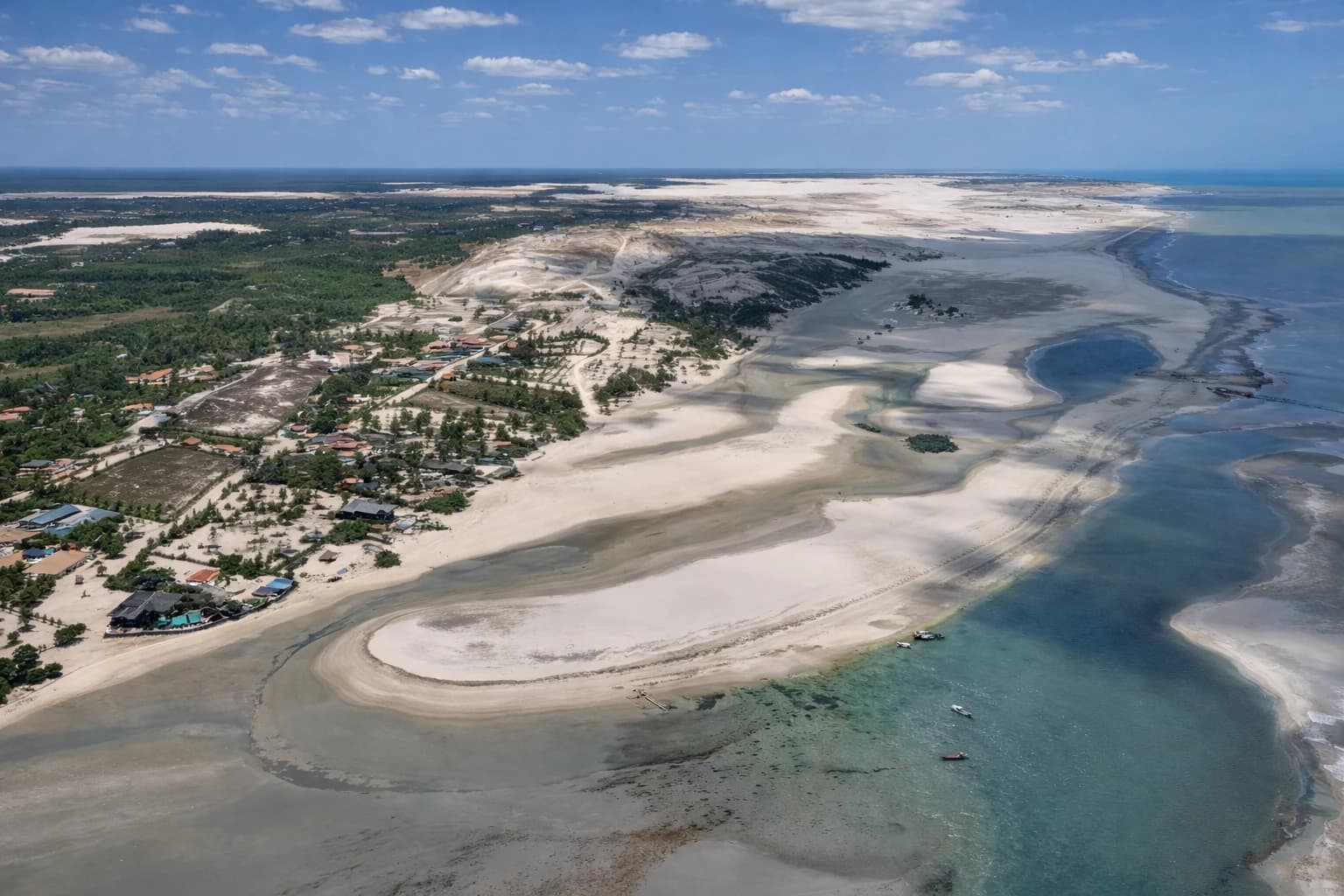

28 villages across 4 ecosystems — from Lençóis to Fortaleza.
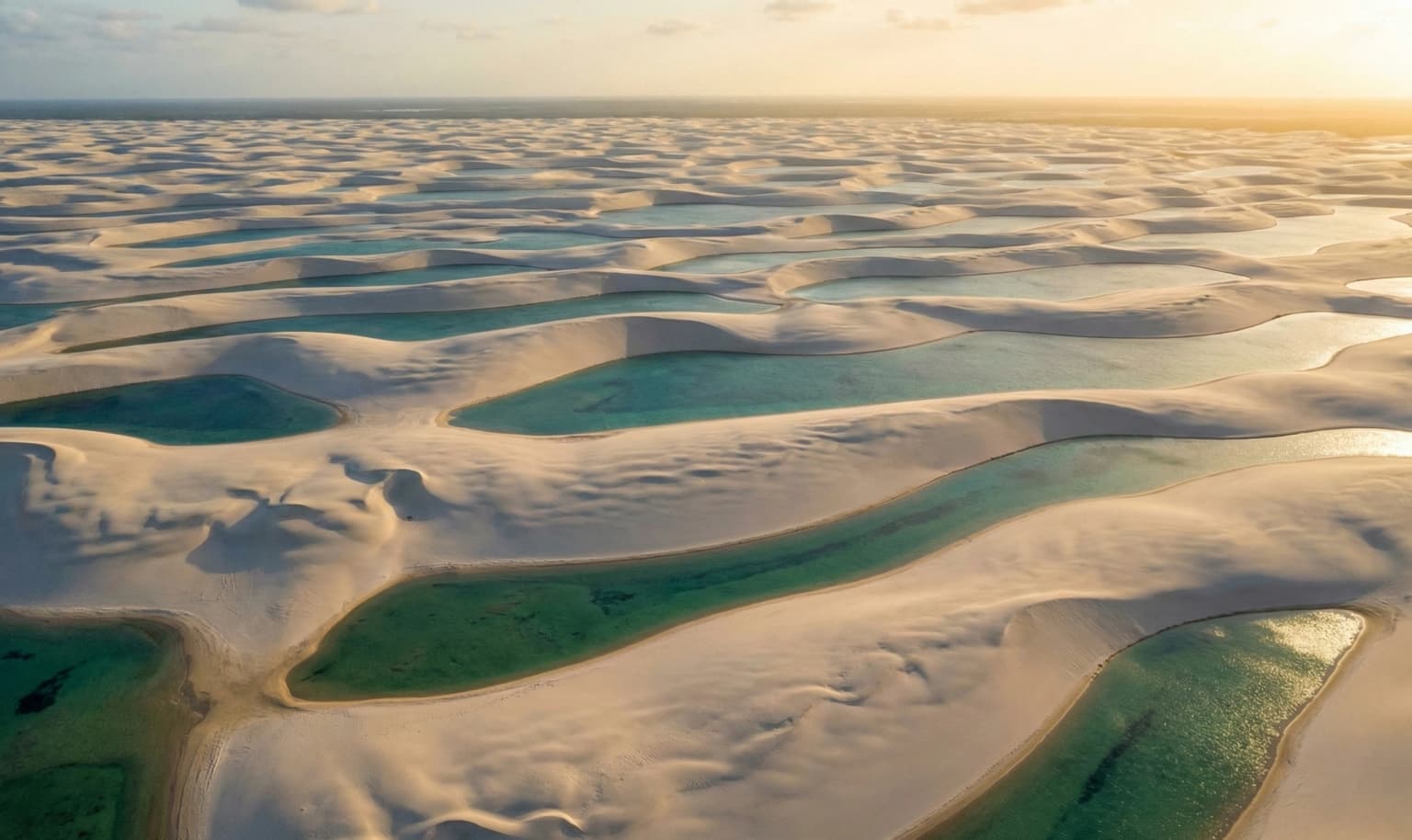
Dunes and crystal-clear lagoons
Main gateway to Lençóis. Tourism operations hub.
Barreirinhas is the gateway to the Lençóis Maranhenses — departure point for the speedboat down the Rio Preguiças to Atins, and for the 4x4 jeeps that penetrate the park toward blue lagoons atop white dunes. The 2024 UNESCO designation transformed what was already an essential logistics hub into a destination of global weight.
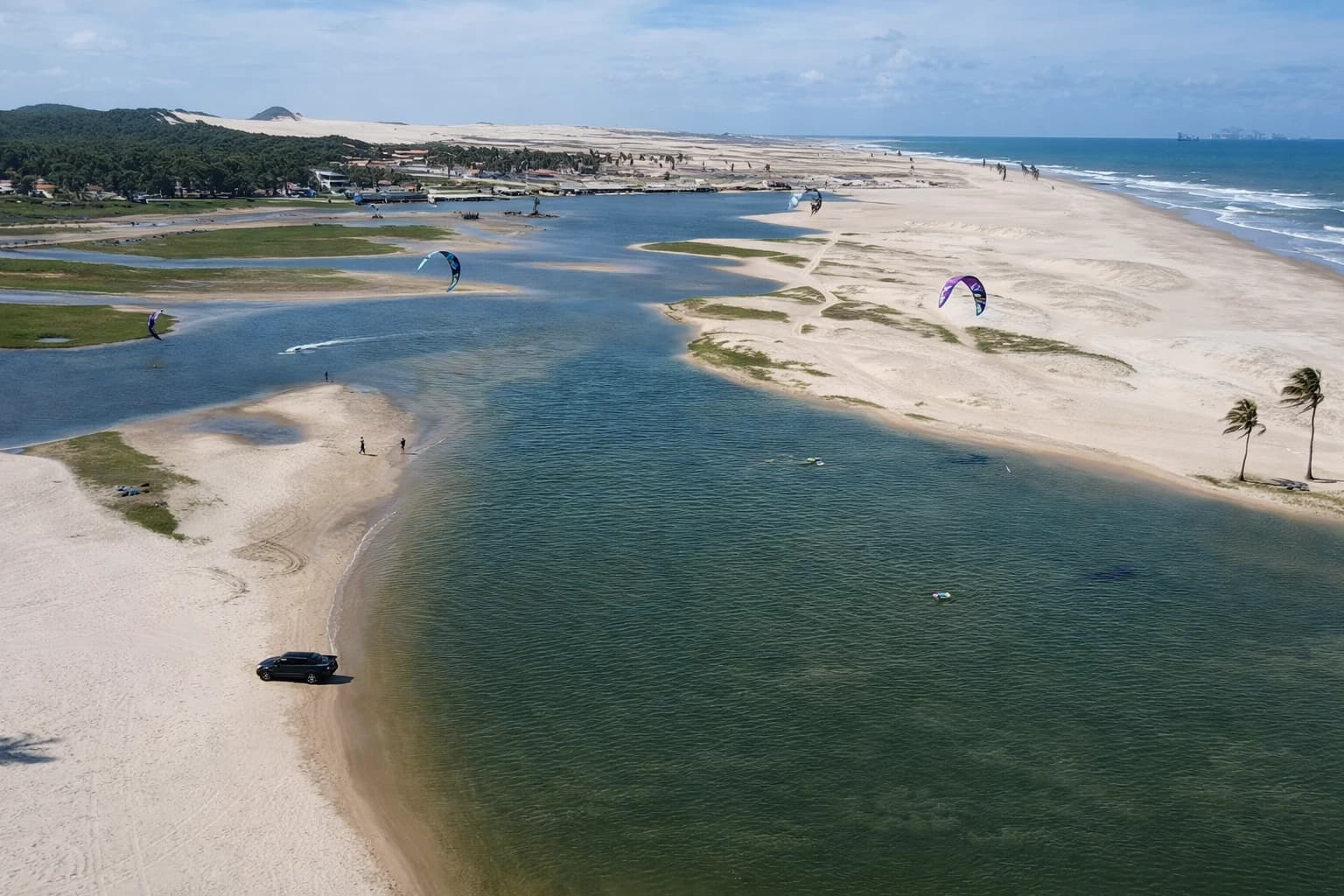
Bohemian village at the mouth of the Preguiças River. Kitesurfing, gastronomy, and rustic charm.
Atins offers something unique on the planet: kitesurfing inside the freshwater dune lagoons of the Lençóis Maranhenses — rated the 4th best flatwater spot in the world. The terminus of the most epic kite safari on Earth (Jeri → Atins, ~500 km), with understated luxury emerging among sandy streets accessible only by boat.
Inside the dune field. Access to Emendadas and Betânia lagoons. Rising star 2024-2026.
Santo Amaro do Maranhão is Barreirinhas's secret alternative: its lagoons — Gaivota, América, Emendadas, Rancharia — are larger, deeper, and hold water into October while Barreirinhas lagoons dry up in August. You can walk to the lagoons in roughly one hour directly from the village center, with no river crossing or mandatory jeep.
Connection point between Lençóis and Delta. Pequenos Lençóis and Rio Novo.
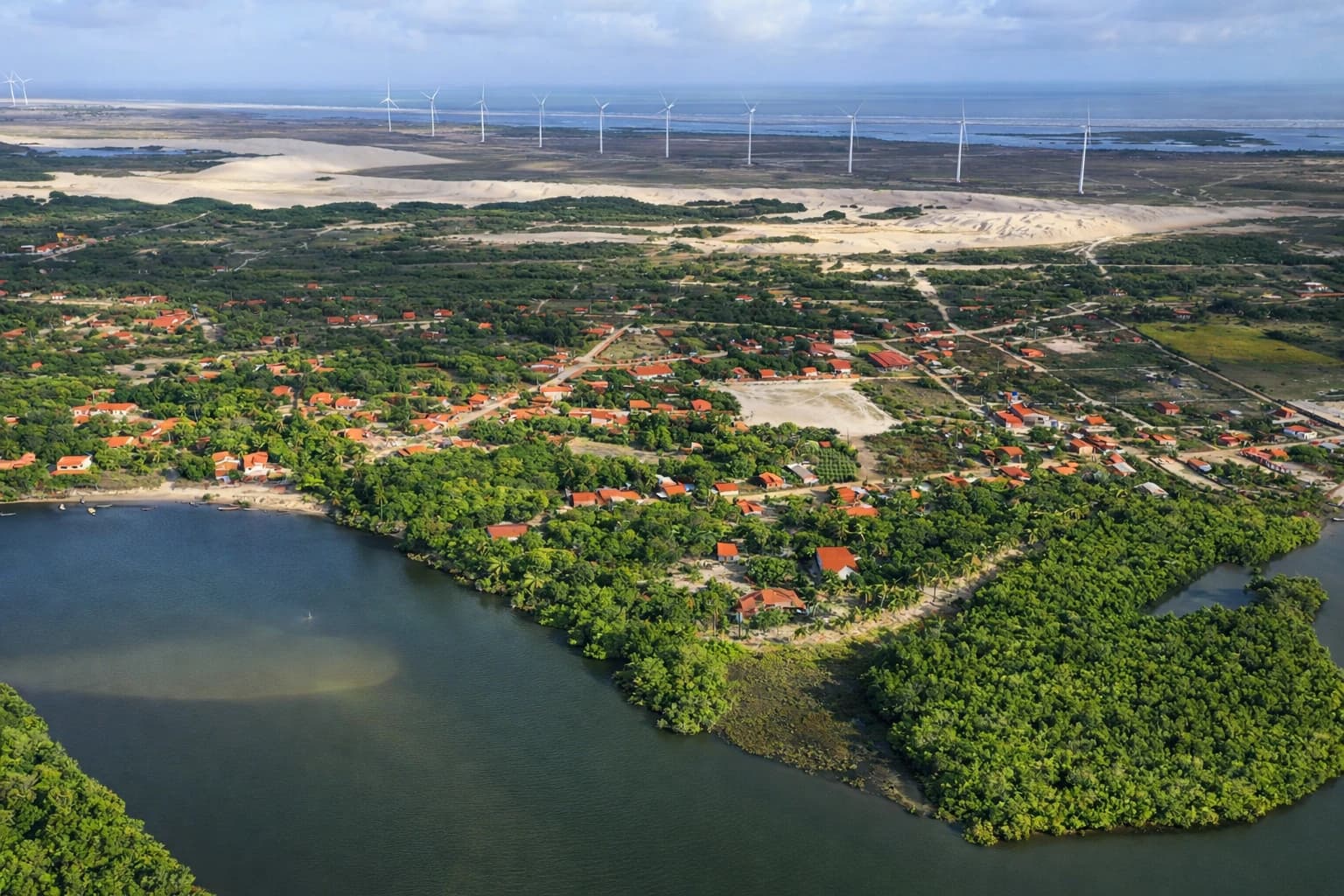
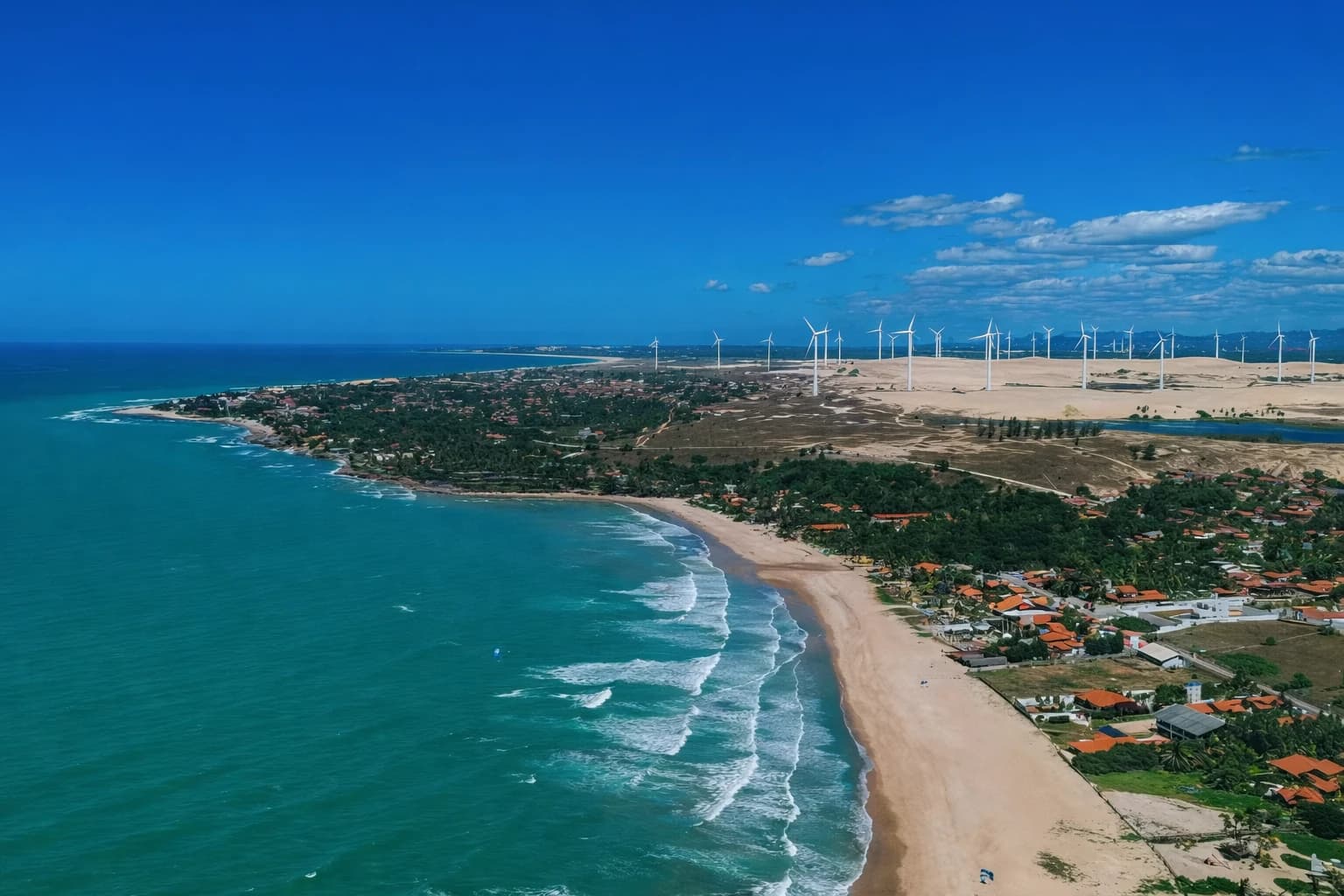
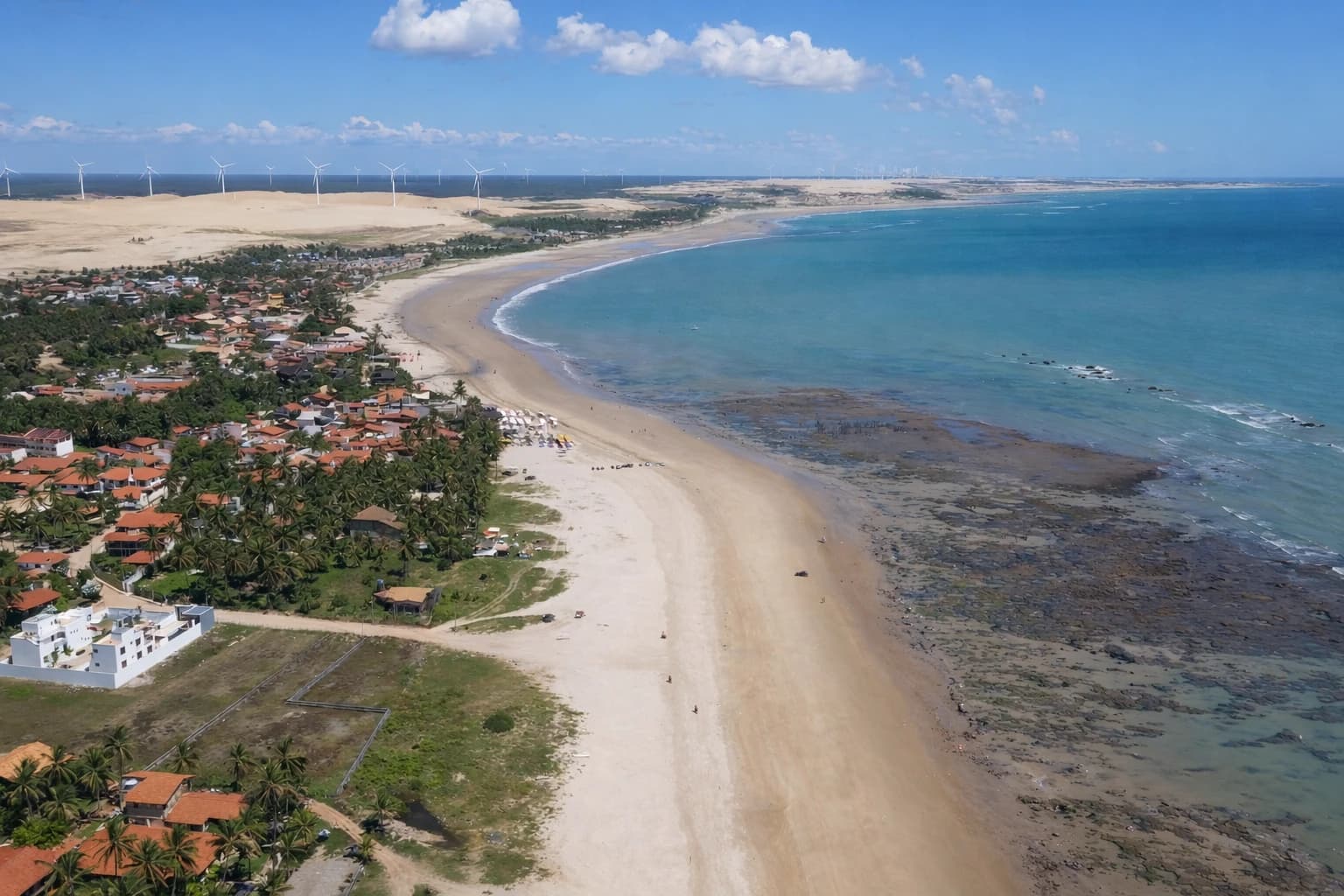
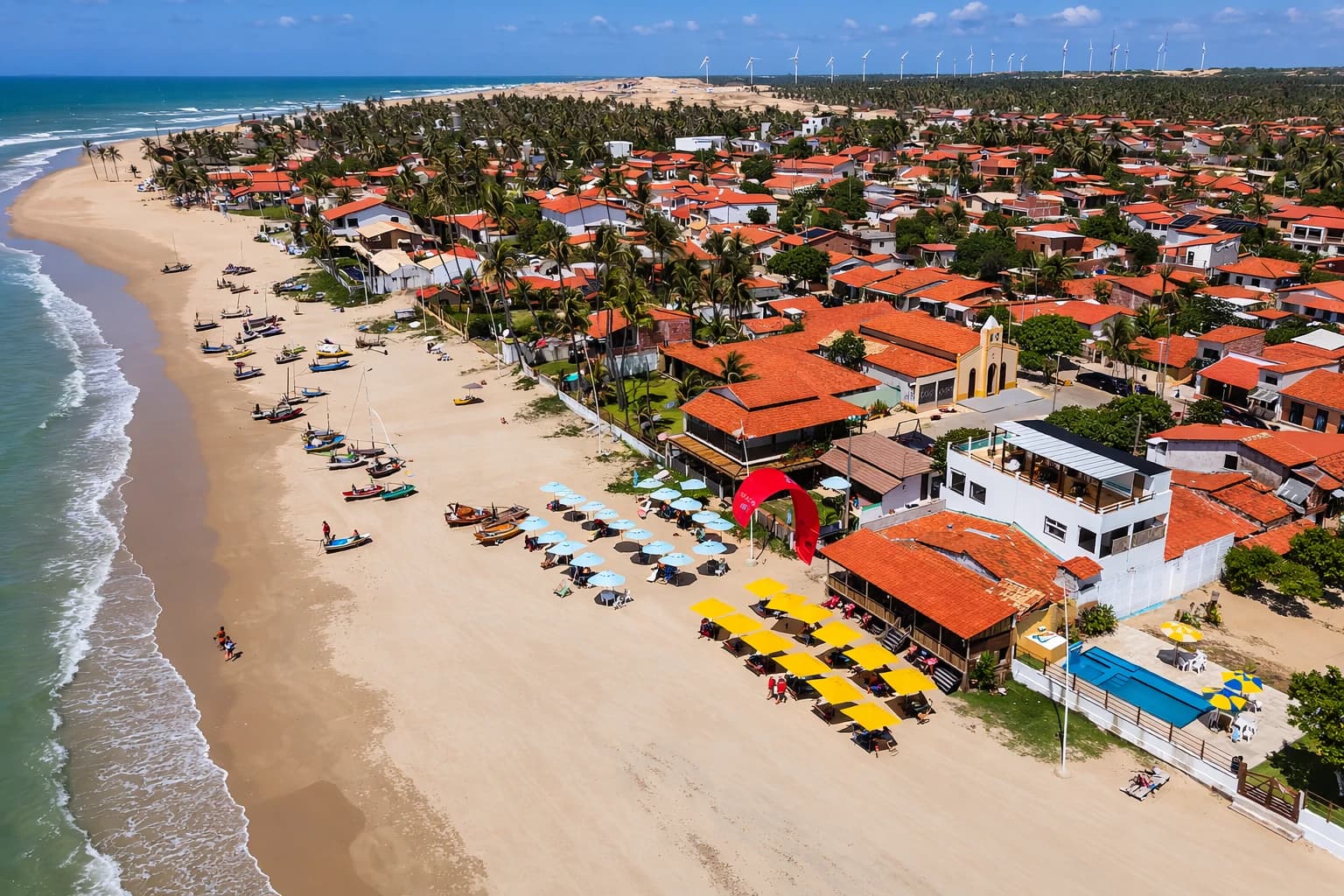
Paulino Neves is the logistical oasis where the paved road meets the sand tracks — the handover point between regular cars and 4x4 for those heading to Caburé or Atins. But beyond being a transfer link, the town holds the near-deserted lagoons of the Pequenos Lençóis Maranhenses and the otherworldly visual of the Delta Maranhão wind farm across the dunes.
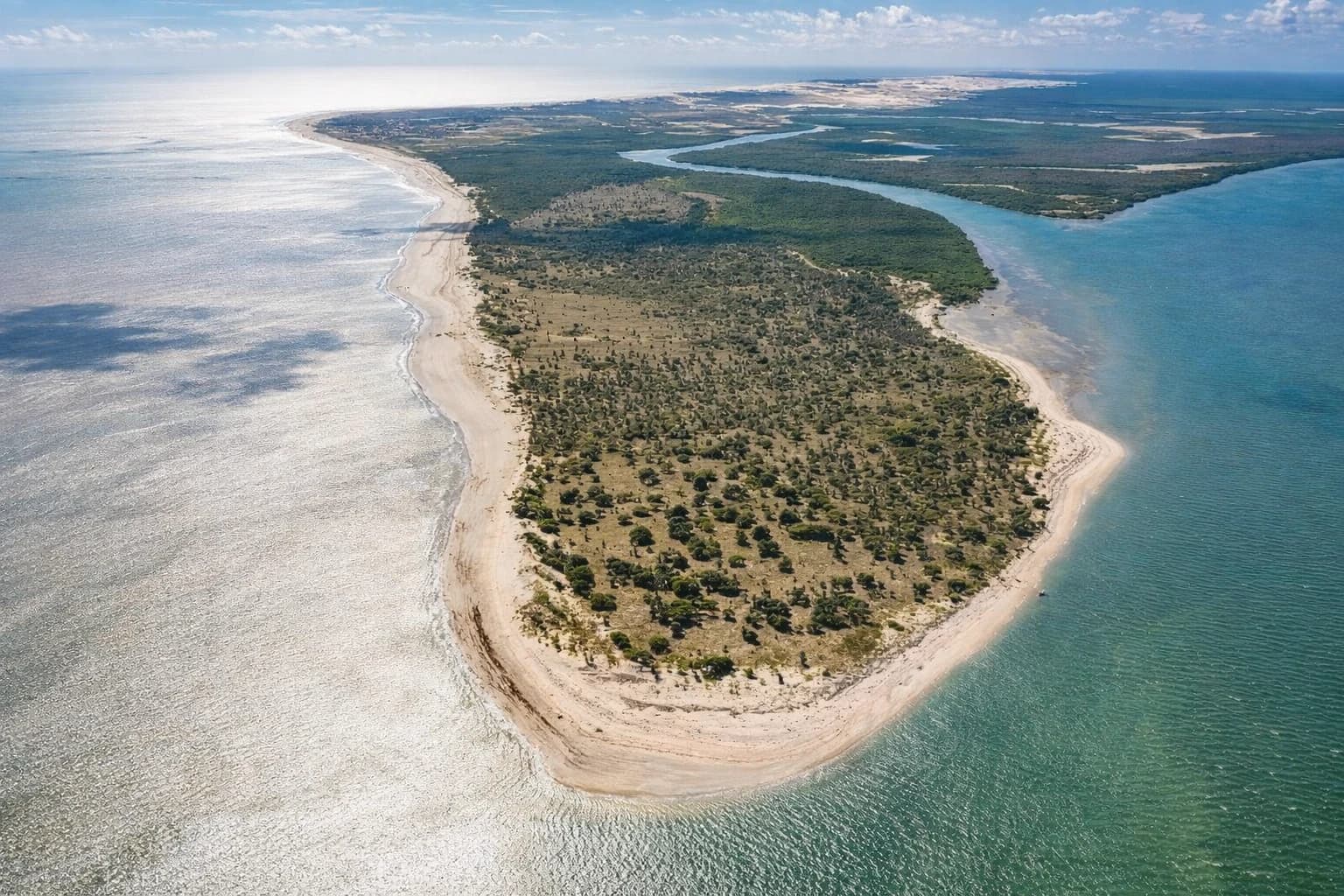
Sand spit between river and sea. Crossing point to Atins.
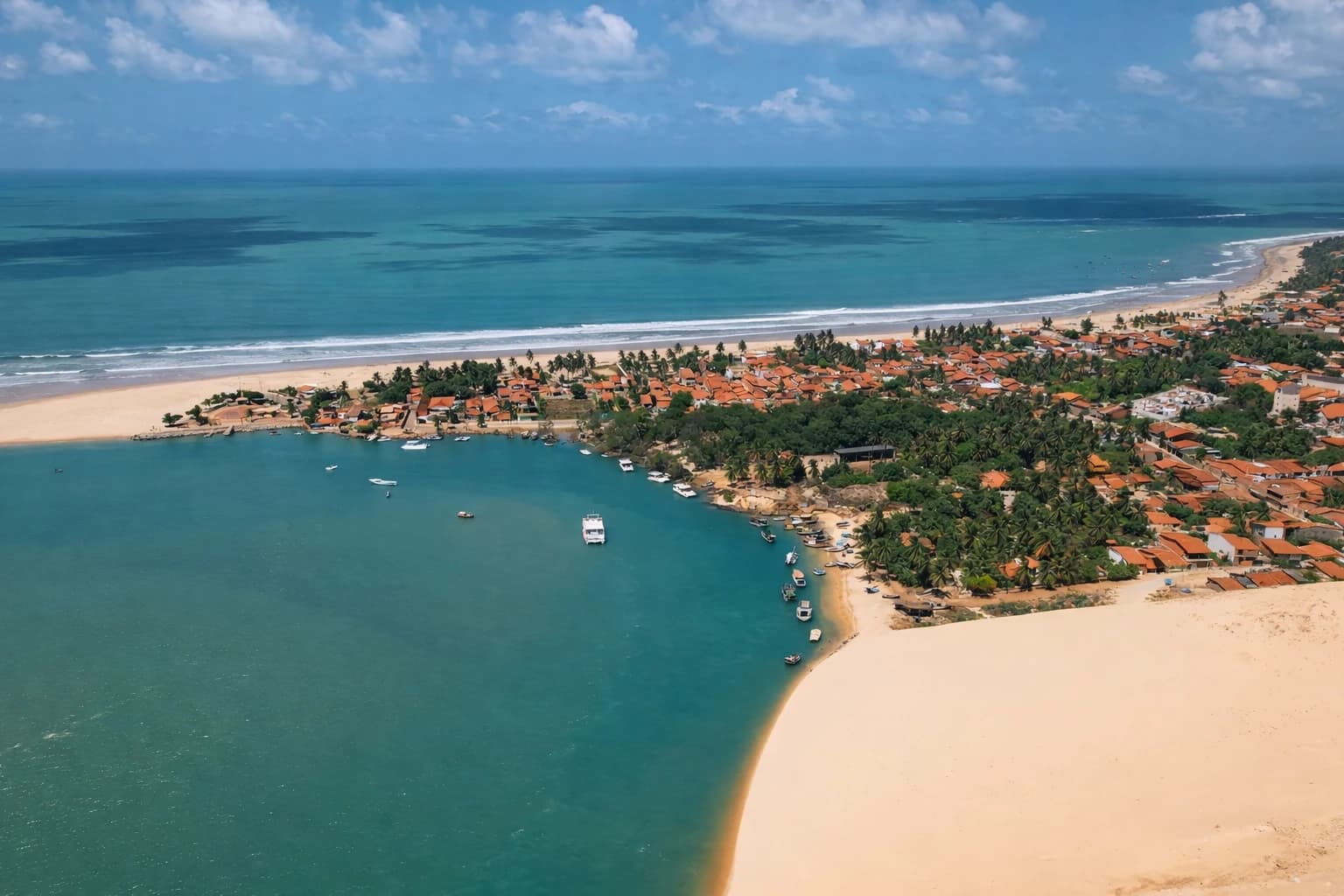
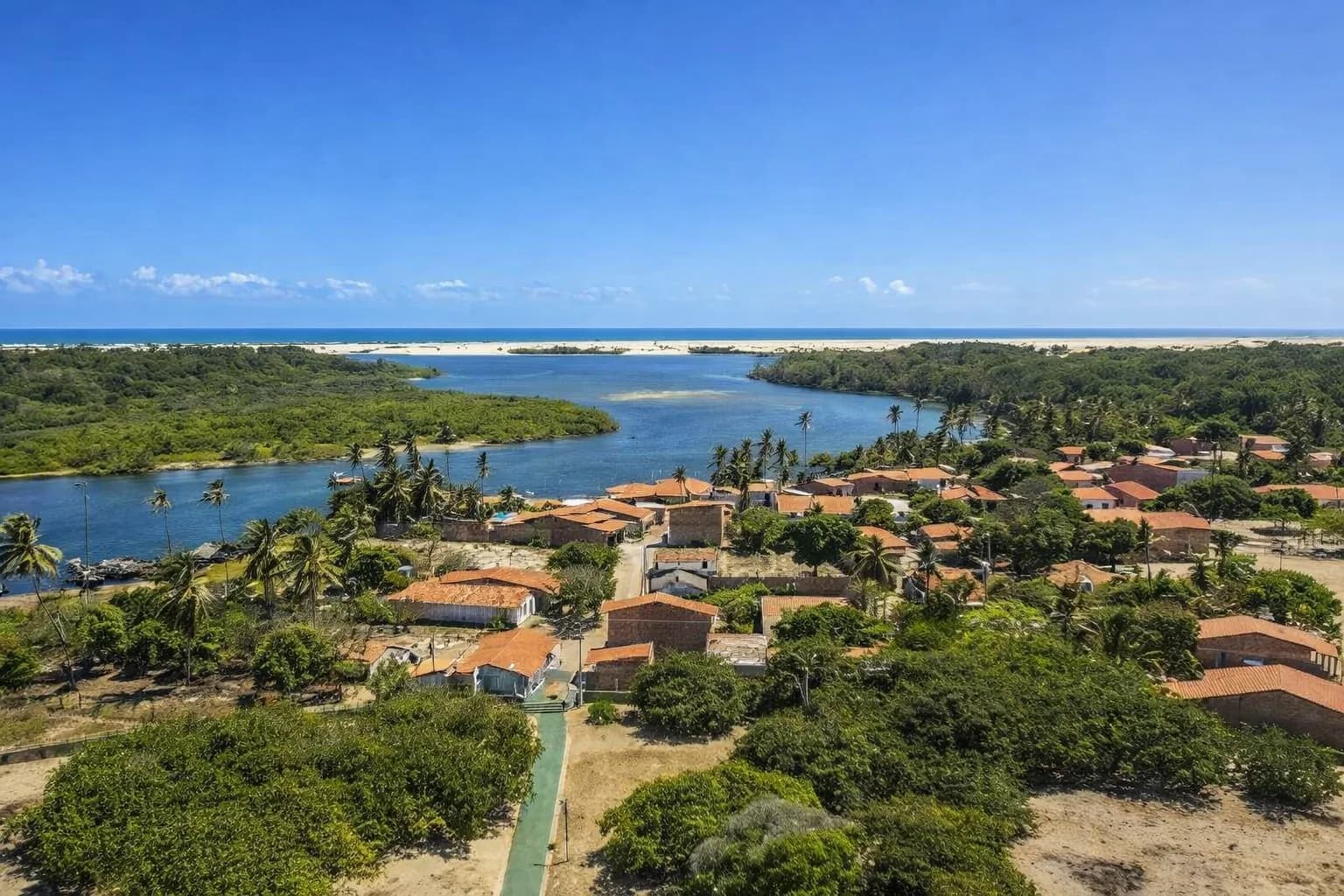
Caburé is a narrow sandbar between the Rio Preguiças and the Atlantic — on the river side, calm shallow water for kitesurfing; on the ocean side, open waves. The shrimp restaurants here are a ritual stop on any Rota das Emoções journey, and the dual water (river freshwater × ocean saltwater) on a single sandbar is geographically unique.
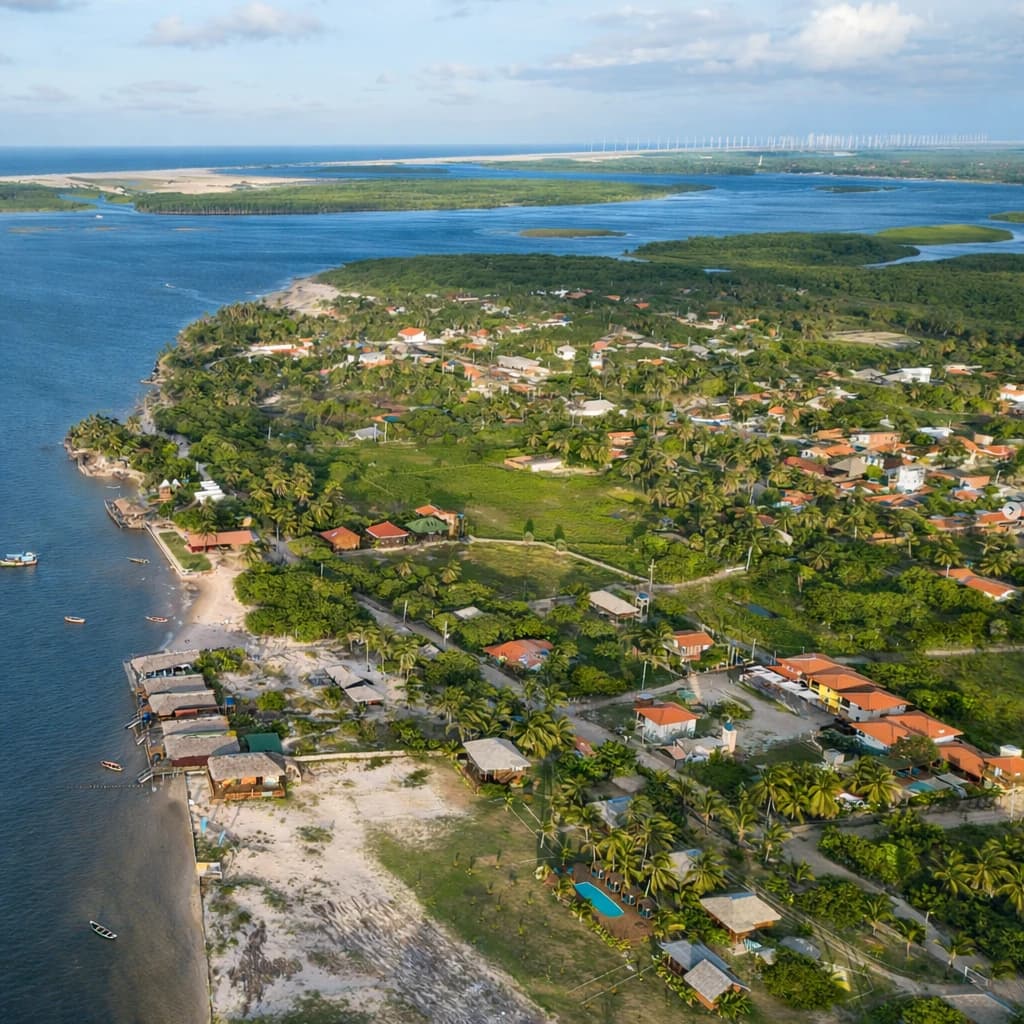
The only open-sea delta in the Americas
Base city for the Delta. Porto das Barcas, full infrastructure.
Parnaíba is the base city for the Delta do Parnaíba — the only open-sea delta in the Americas — and the logistical hub of coastal Piauí. Porto dos Tatus, 12 km away, is where all kite safaris and ecotourism expeditions begin; the city itself has a historic waterfront, craft market, and the best flight access on the corridor (LATAM direct from Fortaleza in 1h since Sep/2025).
Heart of the Delta. Best base for the Scarlet Ibis flight.
The Revoada dos Guarás is the Delta's most moving spectacle: at dusk, hundreds of scarlet ibis arrive in crimson clouds to roost in the mangrove trees — a burst of color that stops time. The island has 17,000 hectares of pristine ecosystems and only ~2,500 residents across four fishing villages.
Kitesurf capital of Piauí. Nightlife and beach clubs.
Barra Grande is Piauí's chic hub: sandy streets and the corridor's best flat-water kite spot — where a submerged rock bank 2 km offshore creates mirror-flat water at low tide and Lagoa La Boca offers lagoon conditions with direct ocean access. The national Arena Kite Brasil championship is held here, and the gastronomy (La Cozinha, BGK) rivals Jericoacoara.
Manatee sanctuary. Conservation tourism.
Cajueiro da Praia is home to the world's only open-sea manatee monitoring program — guided traditional sail canoe tours observe 10+ mammals in the estuary without disturbing them (motorized boats prohibited). Just 8 km from Barra Grande, the town also has the Cajueiro Rei: the world's largest cashew tree, with 8,810 m² of canopy from a single trunk.
Perfect flat water for freestyle kite. Athletic vibe.
Macapá is the corridor's purest flat-water kite spot — the Rio Camurupim estuary lagoon creates extremely shallow mirror flats where the 2.4-meter tidal range sculpts unique conditions with every cycle. The triple wave of German investment (BeeKite, Windloop, 35knots with 300 Mbps fiber) has transformed this small fishing village into Piauí's most specialized kite hub.
Dual hub: access to the Delta and Pequenos Lençóis. Famous shrimp.
Tutóia is transforming from a pass-through town into a destination: access to the Pequenos Lençóis Maranhenses (dunes interspersed with coconut palms, which the Grandes Lençóis lack), the less crowded Maranhão side of the Delta do Parnaíba, and the remote Praia do Arpoador — accessible only at low tide, with kite in all conditions and views that justify waiting for the right tidal window.
Capital of Piauí beaches. 46 km of coastline with dunes, kite spots, and local gastronomy.
Luís Correia has what most kite villages on the Rota don't: 46 km of coastline with eight radically distinct beaches — from wave kiting at Arrombado to natural pools at Maramar and Carnaubinha — plus two high-standard resorts (Aimberê and Carnaubinha) and the convenience of a real city with hospital, bank, and supermarket 20 minutes from the airport.
Paradise of winds and sunsets
The iconic village. Pedra Furada, Sunset Dune, nightlife.
Jericoacoara is the social capital of Brazilian kitesurfing and one of the world's most famous beach destinations: no cars on the sandy streets, turquoise lagoons, sunset over an iconic dune, and more than 26 kite schools. Fraport's R$240M airport investment (concession Dec/2025) and the Alchymist complex with Latin America's largest pool (6,000 m²) confirm that Jeri is still at its peak.
Luxury kitesurf enclave. Anantara Resort (opening 2027). Perfect side-onshore winds.
Preá is the world kite mecca — 20–35 knots with near 100% consistency from July to February, seven or more schools on a single beach stretch, and an unprecedented luxury investment cycle (R$250M Carnaúba Wind House — Phase 1 open, complex expanding). The Preá → Jericoacoara downwinder (~12 km) passing the Pedra Furada arch is the most iconic introductory ride in NE Brazil.
Photogenic Mangue Seco. Flat water at the river mouth. Ferry crossing.
Guriú is where the river meets the sea, creating a cinematic dry mangrove landscape. The ferry crossing over the Guriú River is the gateway to Jericoacoara for those coming from Camocim — a rite of passage marking the transition from asphalt to sand.
Exclusive retreat. Absolute silence, coconut groves, understated luxury.
Barrinha is the exclusive retreat hidden between Jeri and Guriú — a sand spit where absolute silence and untouched coconut groves create the most private experience on the entire Rota das Emoções. Here luxury is the absence of everything except natural beauty.
Extreme adventure. Funil Dune and Lagoa Grande. Intense winds.
Tatajuba has the strongest and most consistent wind in Brazil — 99% probability, with 30+ knots as the standard in peak season. The river mouth creates flat water for freestyle at high tide; when overpowered, Lagoa da Torta (16 km long, freshwater mirror) is the perfect backup plan. A village that was a lunch stop on Jeri downwinds is transforming into a destination in its own right.
Fishing village between Fortaleza and Jeri, known as 'the next Jeri'. Protected bay ideal for kitesurfing.
Icaraizinho is what Jericoacoara was 20 years ago — a genuine international kite community, with up to 9 months of wind, the hidden Lagoa dos Patos (a nearly empty mirror lagoon), and a growing French and German expat community that created a blend of Mediterranean relaxation with northeastern kite culture. The Carmel resort (ultra-luxury, opening projected 2025–2026) will change the market, but there's still time.
Perfect flat water for kite freestyle. Lagoon and downwinds to Preá.
Ilha do Guajiru has the largest lagoon in NE Brazil — 6 km long and 400 m wide, entirely shallow — creating an infinite playground for freestyle and progression where you walk hundreds of meters over submerged sandbars with knee-deep water. The bed-to-board model with dozens of pousadas on the lagoon edge is the most developed on the corridor.
Only city in the upper corridor. Ceará-Piauí gateway with Rio Coreaú and estuary for flat water.
Camocim is the only point with real urban services (bank, hospital, bus) between Jericoacoara and Barra Grande — and much more than a simple fuel stop: the Rio Coreaú delta offers pristine flat-water kite, Praia do Maceió has 12 km of sand, and the Baía das Caraúbas glamping (bungalows with private pools) launched a new luxury standard for this region.
Last coastal village in Ceará before the Piauí border. State's largest mangrove and fishing colony, with 5 rivers converging at Pontal das Almas. Emerging community tourism in Vila de Curimãs.
Bitupitá is Ceará's last coastal frontier before Piauí — where 5 rivers converge at Pontal das Almas, creating the state's largest mangrove and fishing colony. Emerging community tourism in Vila de Curimãs offers immersion in authentic fishing culture.
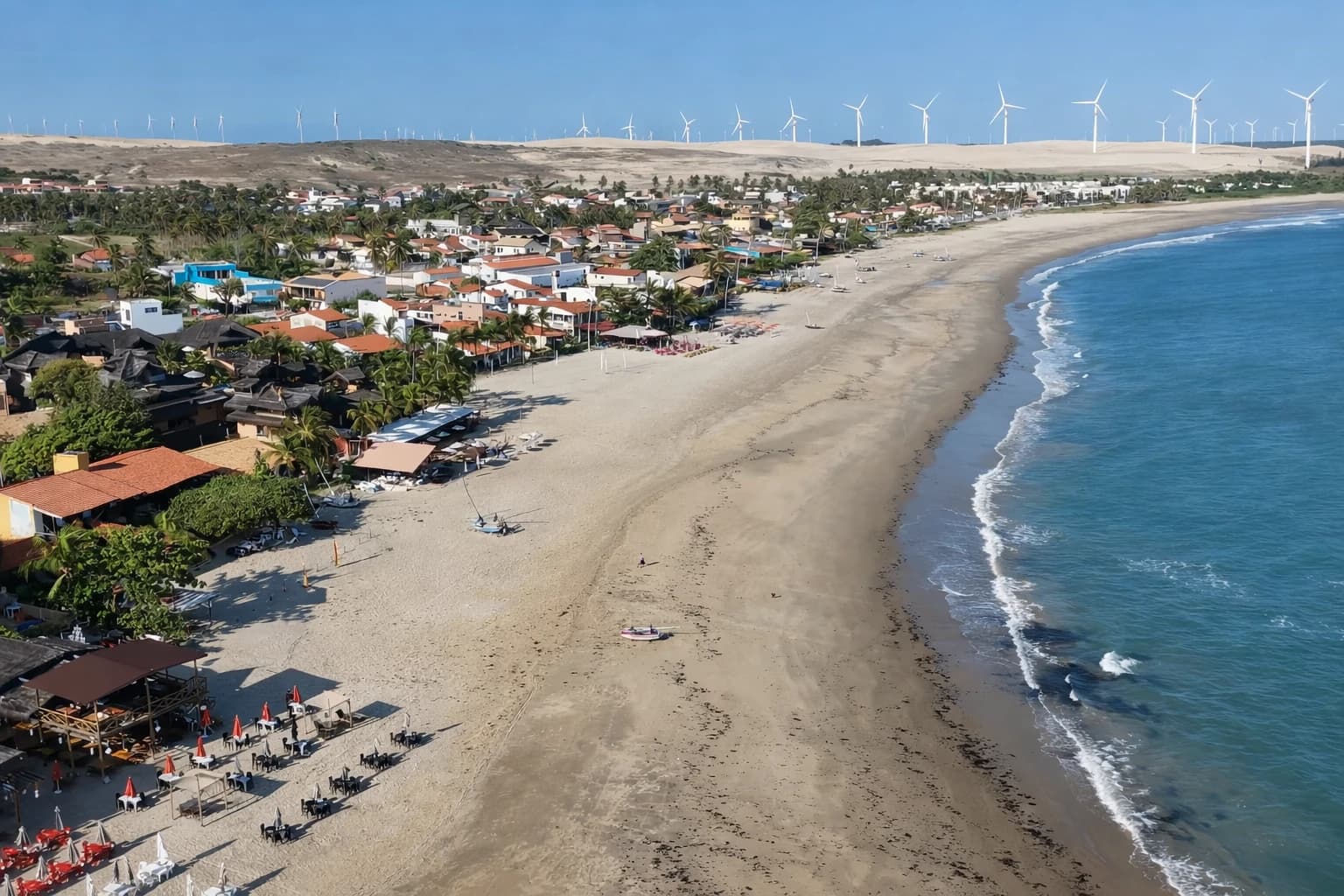
From Cumbuco to Paracuru
Birthplace of Brazilian kitesurfing. Cauípe Lagoon, wave beaches, and nightlife. 35 km from Fortaleza.
Cumbuco is the kite entry point for NE Brazil — 45 minutes from Fortaleza, with Lagoa do Cauípe for beginners, dozens of schools, and the Vila Galé Collection Sunset complex (opened Dec/2024, EUR 12.5M, at the lagoon-beach junction). The corridor's most established digital nomad hub, with coworking, long-stay apartments, and fiber internet.
Flat water lagoon for freestyle and wave beach. Host of the 2025 GKA Freestyle World Championship.
Taíba has a dual personality: the Lagoa do Kite (tide-independent, sandy bottom, shallow, venue of the GKA Freestyle World Championship 2025) coexists with the open ocean at Praia de Taibinha (waves up to 3m, venue of Surf Brasil Pro 2026). Carmel Taíba Exclusive Resort (5-star, Travellers' Choice 2024) and Saline Taíba define a new luxury standard for a village that still has pousadas for R$180/night.
Quebramar: flat water lagoon at low tide, reef break waves at high tide. The most versatile spot in Ceará.
Paracuru's Quebra Mar is the most versatile kite spot in Brazil at a single location: at low tide, a reef creates a 220 m mirror lagoon for 4 hours; at high tide, the same barrier generates the best waves in Ceará (up to 2.5 m). Additionally, Paracuru is a real town (~30,000 residents) with nightlife and the most lively Carnival in inland Ceará.
Fishing village with red cliffs, coconut palms, and lagoons. Waypoint on the Paracuru-Guajiru downwinder.
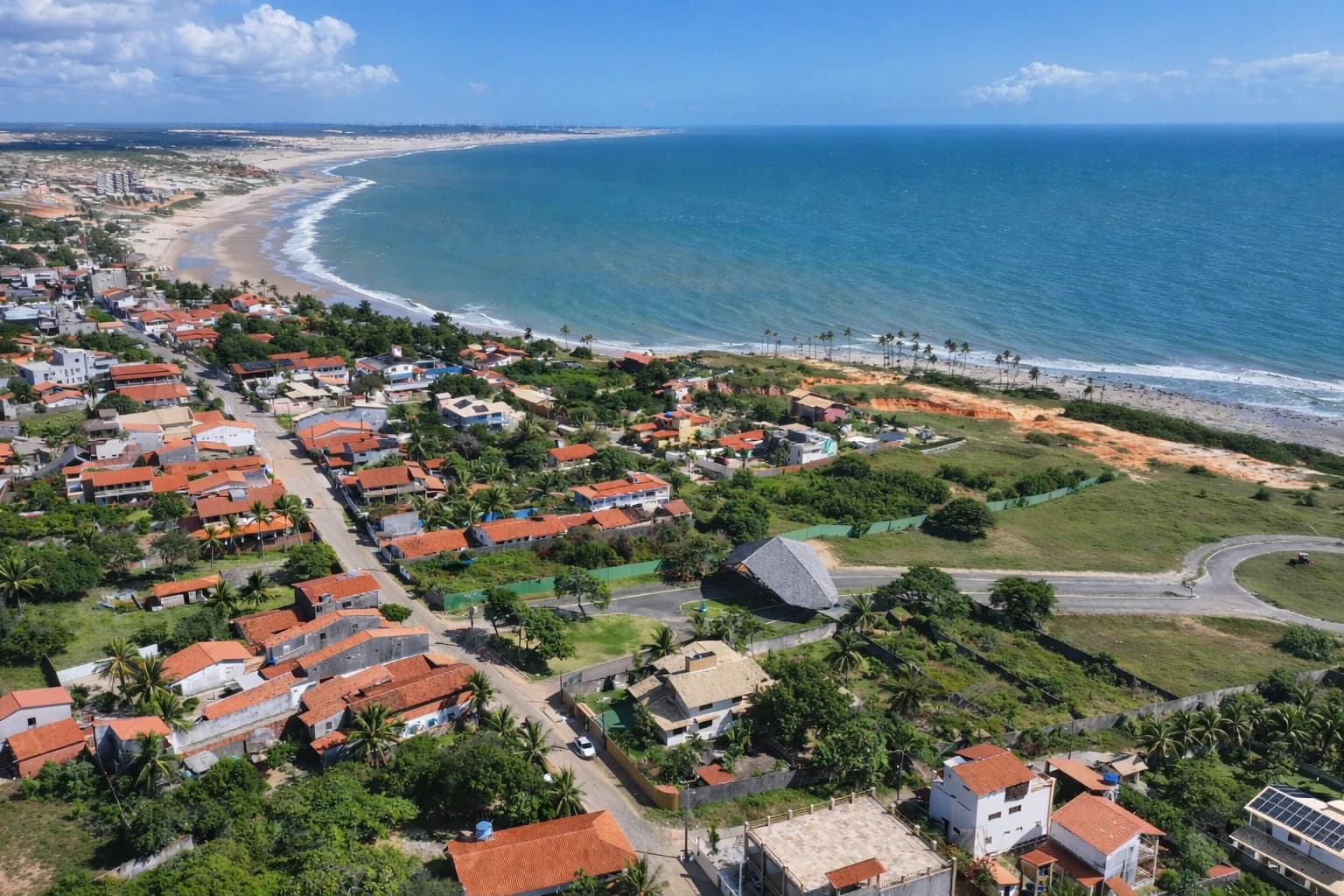
Lagoinha combines a half-moon beach with red cliffs and dense coconut groves — the viewpoint angle over the beach is one of Ceará's most photographed natural compositions. Lagoa do Jegue (flat, shallow, tide-independent, with free-roaming donkeys around it) is the corridor's most charming beginner kite spot; Kite-On school (IKO PRO) was founded by the first woman to become an IKO Examiner in kitesurfing history.
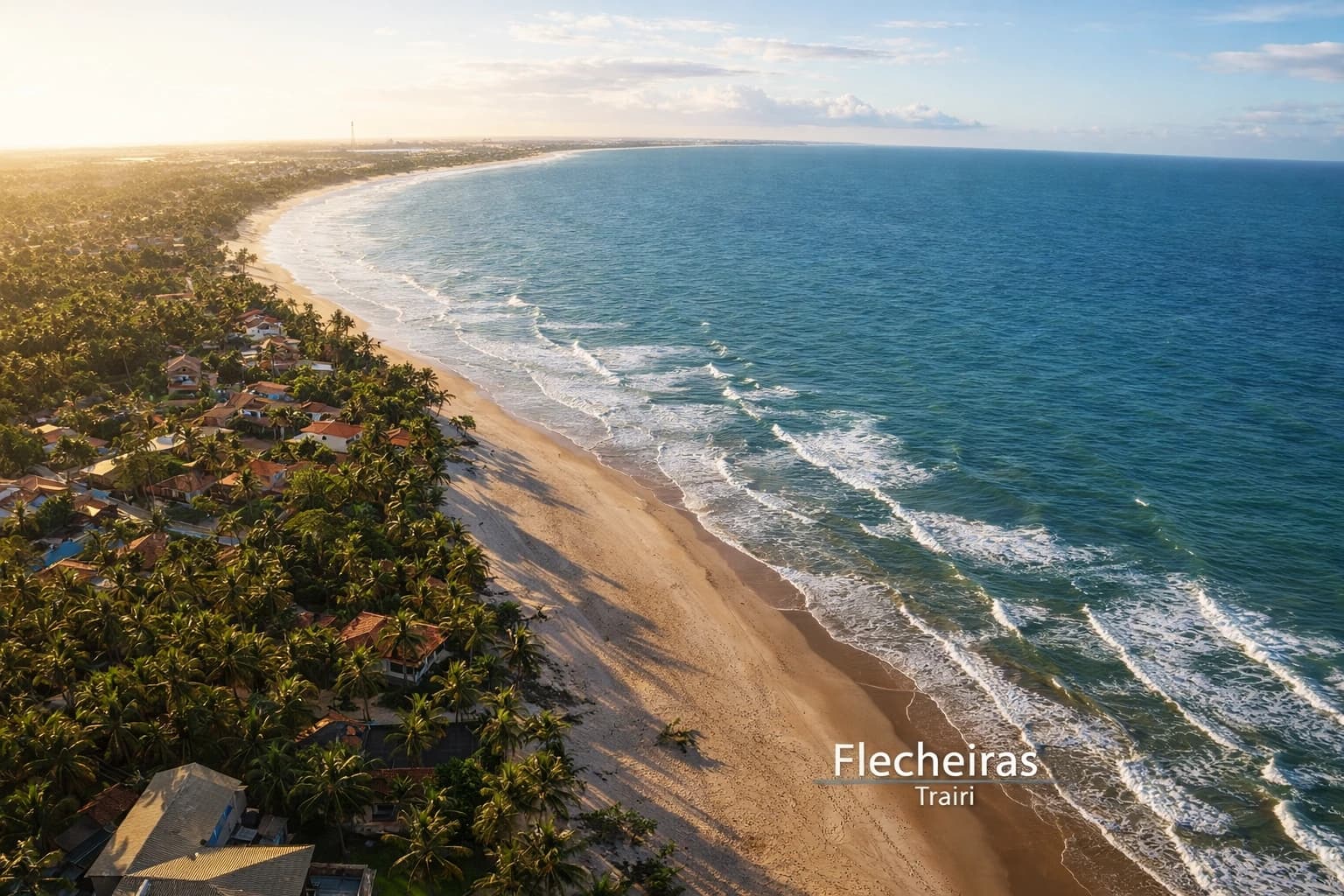
Fishing village with natural pools, dunes, and lagoons. Base for buggy tours to Mundaú.
Flecheiras was named the Most Welcoming Destination in NE Brazil by Booking.com (2024) — and deservedly: a fishing village with a century-old bobbin lace tradition, Brazil's third largest reef marine biodiversity system forming natural coral pools, and a restaurant scene that punches well above its weight, from the classic Caravela (34 years) to the contemporary Sacada Beach by Nono.
Toboggan dunes, sunset dunes, and Mundaú River mouth. Access via Flecheiras or Fortaleza.
The mouth of the Rio Mundaú is the most dramatic river-meets-sea encounter on the Ceará coast: the river emerges between 10–15 m barchan dunes and creates a freshwater mirror that contrasts with the salty Atlantic blue, all within a federal APA reserve. The catamaran travels upriver through mangroves, dunes, and spinning wind turbine towers — a 1h30 tour that distills the best of Ceará nature.
Tranquil village with reef natural pools and Zorah Beach Hotel (TripAdvisor Top 1% for 8 years). Family-friendly kitesurfing and Italian chef gastronomy.
Guajiru in Trairi is a hidden gem with reef natural pools and the award-winning Zorah Beach Hotel (TripAdvisor Top 1% for 8 consecutive years). The combination of family-friendly kitesurfing, Italian chef gastronomy, and absolute tranquility creates an experience to rival any Caribbean resort.